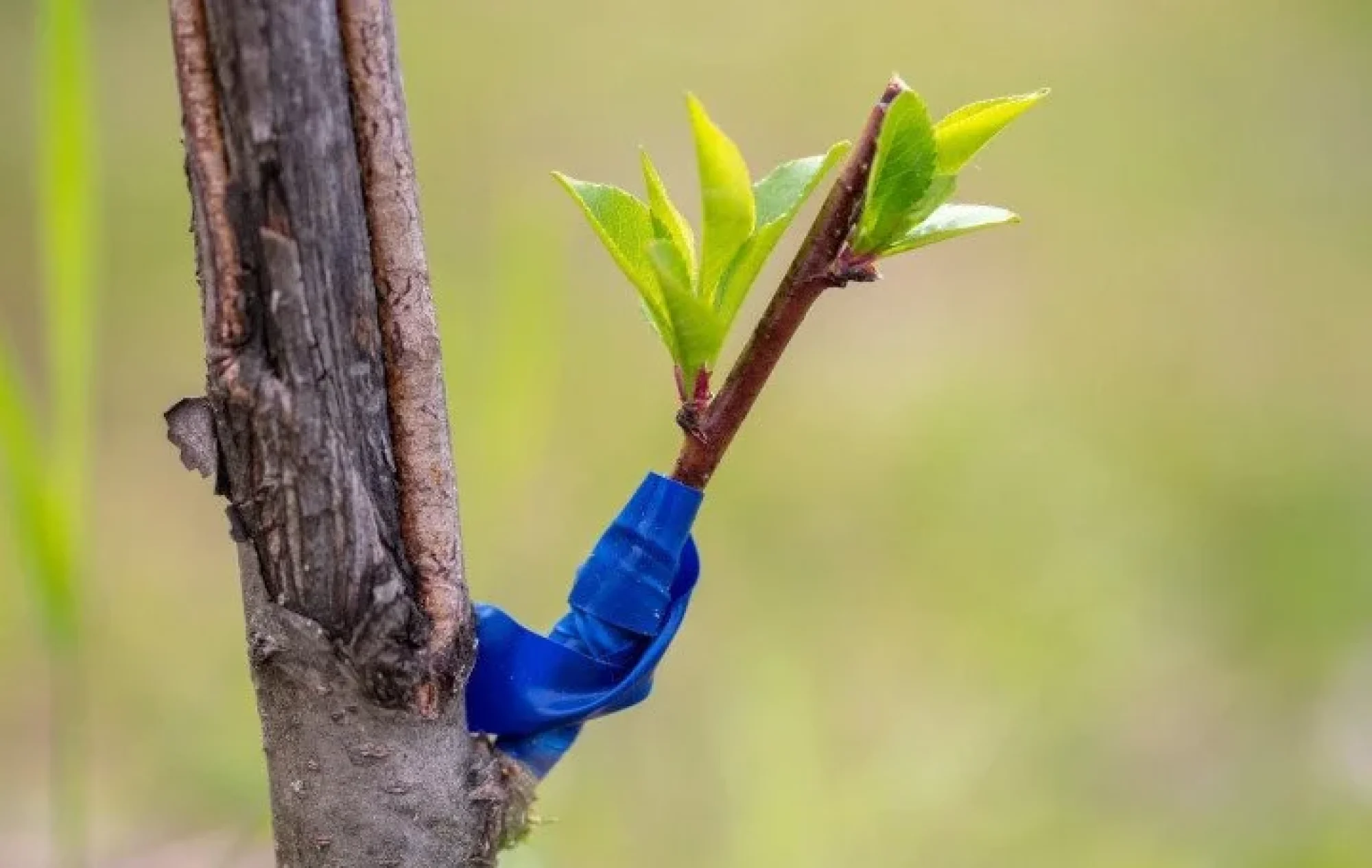
Tree grafting is a plant propagation method that joins a upper shoot called the scion to a lower root system called the rootstock so they grow as one plant, using key steps like selecting compatible wood, matching cambium layers, and tightly sealing the union
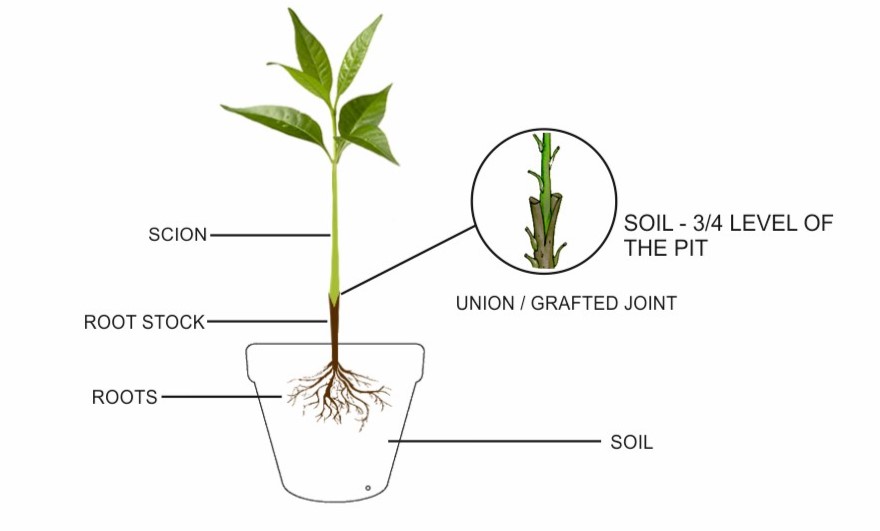
- Scion: The top part; a dormant branch cutting with healthy buds from a tree with desired fruit or traits.
- Rootstock: The bottom part; the lower trunk and root system chosen for soil adaptability, disease resistance, or size control.
- Cambium: The thin, living green layer of tissue just under the bark; matching this layer between scion and rootstock is vital for success.
When to Do It
- Timing: Late winter or early spring when the rootstock is waking up and sap starts to flow, but before the scion wood breaks dormancy.
- Scion Collection: Cut scion wood in winter while dormant, pencil-thick, and store in a refrigerator wrapped in a damp bag until grafting time.
Common Grafting Methods
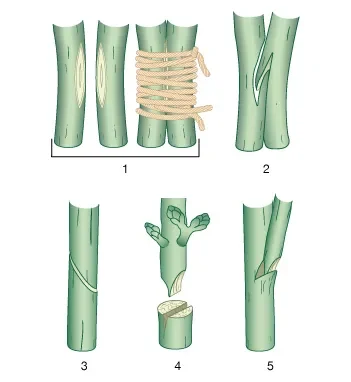
- Whip and Tongue: Best for young, equal-sized branches (pencil width); uses interlocking slanting cuts to maximize cambium contact.
- Modified Cleft: Ideal when the rootstock is thicker than the scion; a vertical split is made in the rootstock to insert a wedge-shaped scion off-center.
- Bark Grafting: Best for older, mature trees with thick bark; scions are slipped between the bark and wood of the host branch.
- Bud Grafting: Uses a single bud instead of a full shoot, commonly done via T-cut or chip cut in late summer when bark slips easily
Aftercare and Maintenance
- Wrapping: Wrap the union firmly with elastic or grafting tape to maintain pressure and seal out air and water.
- Sealing: Use Parafilm or pruning paste to prevent the scion from drying out.
- Pruning Shoots: Remove any new shoots growing from the rootstock below the graft so they do not steal nutrients from the new scion.
- Tape Removal: Cut and remove binding tape after 2 months once tissues fuse, preventing branch strangulation