

🐟 The Incredible Health Benefits of Salmon Fish
Salmon is a popular, nutritious, silvery fish known for its rich pink/orange flesh, high protein, and omega-3 fatty acids, belonging to the Salmonidae family, famous for its incredible life cycle of hatching in freshwater, migrating to the ocean, and returning to rivers to spawn (anadromous). They are vital commercially, come in various Pacific and Atlantic species, and are prized for heart, brain, and muscle health.
Salmon is more than just a delicious and versatile fish — it’s one of the most nutritious foods on the planet. Packed with essential nutrients, healthy fats, and high-quality protein, salmon offers a wide range of benefits for the body and mind. Whether grilled, baked, or smoked, adding salmon to your diet can be one of the best choices for long-term health and vitality.
🌿 1. Excellent Source of High-Quality Protein
Protein is essential for maintaining muscle mass, repairing tissues, and supporting overall growth and recovery. Salmon is an excellent source of complete protein, meaning it contains all nine essential amino acids your body needs. A 100-gram serving of salmon provides around 20–25 grams of protein — making it perfect for athletes, fitness enthusiasts, and anyone looking to support lean muscle development.
💧 2. Rich in Omega-3 Fatty Acids
Salmon is famous for its abundance of omega-3 fatty acids — specifically EPA (eicosapentaenoic acid) and DHA (docosahexaenoic acid). These are essential fats that the body cannot produce on its own. Omega-3s play a crucial role in reducing inflammation, supporting heart health, improving brain function, and maintaining healthy skin.
Regular consumption of omega-3-rich foods like salmon has been linked to a lower risk of heart disease, stroke, and cognitive decline.
❤️ 3. Supports Heart Health
Eating salmon regularly can significantly boost cardiovascular health. The omega-3 fatty acids in salmon help lower bad cholesterol (LDL) levels while raising good cholesterol (HDL). They also help regulate blood pressure, prevent blood clots, and improve arterial function — all of which reduce the risk of heart-related diseases.
Studies show that people who eat fatty fish like salmon at least twice a week have a lower risk of heart attacks and strokes.
🧠 4. Boosts Brain Function and Mood
Your brain loves omega-3s, and salmon is one of the richest natural sources of them. DHA, one of the main omega-3s in salmon, is a key structural component of the brain. It helps improve memory, focus, and cognitive function.
Moreover, salmon contains vitamin D, vitamin B12, and selenium, which together support nervous system health and help reduce the risk of depression and anxiety.
Regularly eating salmon can help improve mood and may even support long-term brain health, reducing the risk of Alzheimer’s and age-related cognitive decline.
💪 5. Promotes Healthy Skin, Hair, and Eyes
Salmon is a beauty food! The combination of omega-3 fatty acids, antioxidants (like astaxanthin), and protein helps nourish your skin from within.
Omega-3 fatty acids, such as those in salmon oil, may also promote healthy eyes and vision.
A review posted to AntioxidantsTrusted Source noted that not having enough omega-3 fatty acids in the diet may contribute to retina degeneration. Maintaining a steady supply of omega-3s in the diet may help prevent this.
A study posted to Translational Vision Science & TechnologyTrusted Source found that omega-3 supplements lowered intraocular pressure, which is a risk factor for glaucoma. The findings, from the first known human study, are consistent with previous animal studies.
Fish oils and their omega-3s may also promote healthy skin.
A review posted by ankit Source found that fish oil and related fatty acids helped improve the skin in a few ways, including:
reducing hyperpigmentation
improving the function of the skin barrier
reducing dry skin and itching from dermatitis
speeding up wound healing
preventing skin cancer development
Applying fish oil to the skin and taking fish oil supplements orally may both help provide these benefits.
- The same nutrients also strengthen hair and support eye health by reducing dryness and preventing macular degeneration.
⚡ 6. Boosts Metabolism and Weight Management
Salmon is a nutrient-dense food that helps you feel fuller for longer. The high protein content aids metabolism, helping the body burn calories more efficiently. Omega-3 fats can also improve insulin sensitivity, which helps with weight management.
Including salmon in your diet a few times a week can promote fat loss while preserving lean muscle mass — making it ideal for anyone aiming for a healthy body composition.
🦠 7. Strengthens the Immune System
The combination of vitamin D, selenium, and antioxidants in salmon supports a strong immune system. These nutrients help fight off infections, reduce inflammation, and improve the body’s ability to heal.
Vitamin D deficiency is linked to weakened immunity, so including salmon in your diet can help maintain adequate levels naturally.
🦴 8. Supports Bone and Joint Health
Salmon is rich in calcium, vitamin D, and phosphorus — all of which are essential for strong bones and joints. Omega-3 fatty acids also help reduce joint pain and stiffness, making salmon an excellent food for individuals with arthritis or joint-related conditions.
🕊️ 9. May Reduce the Risk of Chronic Diseases
The anti-inflammatory properties of salmon’s omega-3s can help lower the risk of chronic conditions such as diabetes, obesity, and certain cancers. Studies suggest that regular consumption of salmon can reduce oxidative stress and inflammation at the cellular level — two key factors in chronic disease development.
🧬 10. A Powerhouse of Essential Vitamins and Minerals
Salmon is a true nutritional powerhouse. It contains a range of essential vitamins and minerals, including:
- Vitamin B12 – for nerve function and red blood cell formation
- Vitamin D – for bone strength and immune support
- Selenium – for antioxidant protection
- Potassium – for blood pressure regulation
- Niacin (Vitamin B3) – for healthy cholesterol levels and brain function
Together, these nutrients make salmon one of the most balanced and beneficial foods for overall health.
🥗 Final Thoughts
Whether you’re aiming to improve your heart health, boost brain power, enhance your skin, or maintain a healthy weight, salmon is a smart addition to your diet. Try including it in your meals two to three times a week — grilled, baked, steamed, or even as sushi — and you’ll soon notice the difference in how you look and feel.
Eating salmon isn’t just about enjoying a delicious meal — it’s about nourishing your body with one of nature’s most powerful superfoods.
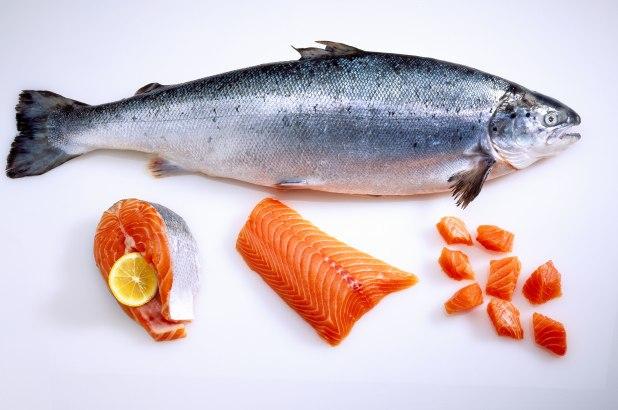
Salmon is an oily fish known for its rich flavor, flaky texture, and high nutritional value, particularly its content of omega-3 fatty acids and protein. It is native to the North Atlantic and North Pacific oceans and their rivers, and it can be prepared in many ways, such as grilling, curries, and tikkas. Common health benefits include supporting heart and brain health, building muscle, and providing vitamins.
How to Eat Salmon
Fish shouldn’t smell “fishy” but fresh and mild. Only buy fish that’s refrigerated or displayed on a big bed of ice. Frozen seafood should be solid, not leaking or squishy.
When preparing your salmon, keep everything clean. That includes your hands, cutting boards, and utensils. That way, bacteria won’t spread from your fish to other foods.
If your salmon is frozen, thaw it gradually in the refrigerator overnight. If you need it quickly, you can thaw it in cold water in a leak-proof bag. You can also do it in the microwave, but you should cook it immediately after.
And never leave any seafood — or other perishable foods — at room temperature for more than 2 hours.
You should cook your salmon to an internal temperature of 145 degrees F until the flesh is opaque and separates easily with a fork. You can eat it raw, but make sure you freeze it first to kill any parasites. Germs can pop up in raw fish, though, which is why experts say you should broil, grill, poach, or bake it.
You can fry it, too, but frying isn’t always the best choice for your health. What’s more, frying your salmon also can seal in pollutants already in the fish.
What Are Salmon Eggs?
Salmon roe are the developed eggs of salmon. Salmon eggs are red-orange in color and are taken from the inside of the fish. Eating fish roe provides many of the same healthy vitamins and minerals as eating fish meat.
Fish roe, research shows, may help with improving or preventing the following health conditions:
Depression
Inflammation
Heart disease
Rheumatoid Arthritis
Salmon egg nutrition
One serving of raw fish roe (1 tablespoon) has the following nutrients on average:
Calories: 20
Protein: 3 grams
Fat: 1 gram
Carbohydrates: 0 grams
Fiber: 0 grams
Sugars: 0 grams
Salmon eggs are a good source of:
Potassium
Vitamin A
Vitamin B12
Vitamin C
Wild salmon
Wild salmon is typically more nutrient-dense than farmed salmon. 100 g of wild salmon containsTrusted Source:
136 calories
4.94 g of fat
0 g of carbohydrate no
22.3 g of protein
Salmon also contains cholesterol. The cholesterol content of foods does not necessarily increase levels of harmful cholesterol in the body.
Saturated fat and trans fat intake is more directly related to an increase in harmful cholesterol levels, and salmon is not a significant source of either. Fish and shellfish are especially important for providing omega-3 fatty acids. These are found in few other food groups.
How to incorporate more salmon into your diet
Salmon can easily replace less healthy options in a meal as the main source of protein.
Here are some quick, tasty tips on working more salmon into your diet:
Use salmon as a main source of protein.
Add salmon to pasta or rice dishes.
Mince salmon to top salads.
Make salmon patties or burgers.
Substitute chicken salad for salmon salad.